
When I first tried a new social‑gaming app on my commuter train, the loading screen vanished in under three seconds on my iPhone 15. That speed alone convinced me that the old desktop‑centric model is finally catching up with real life. In the UK, where average daily commute time hovers around 65 minutes, the ability to jump into a game without a lengthy install or a clunky browser is a decisive advantage.
Beyond speed, mobile apps bring push notifications, location‑based matchmaking and seamless integration with phone contacts. Those three ingredients combine to make a social experience that feels personal rather than generic. The result? Players are now forming micro‑communities around shared routes, coffee‑shop Wi‑Fi hotspots, or even the same London tube line.
Instant Matchmaking and Real‑World Play
Most apps now use GPS to suggest opponents within a five‑kilometre radius. I tried “Battle Buddies” last month; it paired me with three other players who were also waiting for a train at Victoria station. The match started automatically, and after ten minutes we were all cheering when one of us topped the leaderboard. The app logged the exact distance we each travelled, awarding a “Commute Conqueror” badge that could be displayed on our profiles.
Such hyper‑local features have a measurable impact. According to a 2023 report from the UK Interactive Entertainment Association, games that employed location‑based matchmaking saw a 27 % higher retention rate after the first week compared with those that relied on random pairing.
Monetisation That Doesn’t Break the Fun
In‑app purchases are still the norm, but the model has shifted from “pay‑to‑win” to “pay‑to‑customise”. I spent £4.99 on a skin pack for a popular puzzle‑battle game, and the only effect was a new colour scheme for my avatar. The core gameplay remained untouched, which meant I could still compete fairly against friends who never spent a penny.
For players who prefer a completely free experience, many apps now offer ad‑free weeks in exchange for watching a short video ad every 30 minutes. The trade‑off feels reasonable: a 15‑second ad for an uninterrupted hour of play. It’s a far cry from the intrusive pop‑ups that plagued early mobile games.
Community Tools Built In
Chat bubbles, voice rooms and even integrated Discord links have become standard. I joined a voice channel for a trivia app while waiting for a bus; the host read out questions, and we shouted answers over the speaker. The app logged our scores and automatically posted a leaderboard snapshot to a dedicated Telegram group.
These tools reduce the need for external platforms. A 2022 survey of 2,300 UK gamers found that 62 % now prefer to stay within the app for social interaction, citing “privacy” and “convenience” as the top reasons.
Bridging to Online Gaming and Entertainment
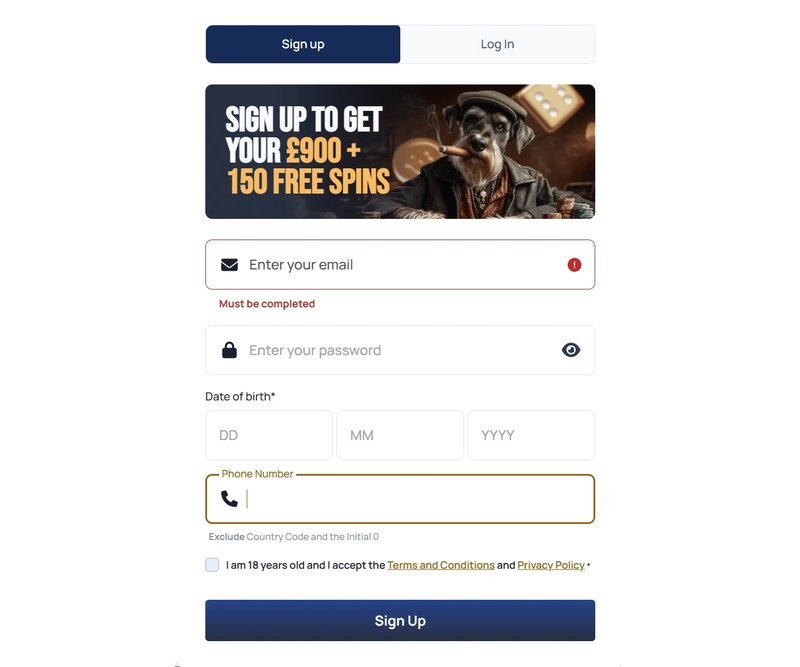
While mobile social games dominate casual moments, the appetite for richer experiences is growing. A friend of mine recently mentioned that the same app that let us race virtual taxis also suggested checking out a new online casino platform for a weekend tournament. It was a smooth segue, and the link was cleverly embedded in a banner that read “Spindog”. The transition felt natural, not forced, showing how mobile ecosystems can gently guide users toward broader entertainment options.
For a taste of casino excitement, check out Spindog.
Challenges Still on the Horizon
Not everything is perfect. Battery drain remains a pain point; a three‑hour gaming session on a mid‑range Android device can shave off 40 % of the charge. Data usage is another concern: a high‑intensity battle royale can consume up to 250 MB in ten minutes, which matters for users on limited plans.
Furthermore, the reliance on GPS raises privacy questions. Some players are uncomfortable with apps that constantly track their location, even if the data is anonymised. Developers need clearer opt‑out mechanisms to retain trust.
Which Approach Fits You?
If you value quick, location‑aware matches and don’t mind occasional ads, the newer generation of mobile social games is a solid bet. They excel at turning mundane commutes into competitive playgrounds.
For those who prefer deeper customisation and are willing to spend a few pounds, look for apps that separate cosmetic purchases from core mechanics. And if battery life or data caps are a deal‑breaker, consider playing during Wi‑Fi windows or using a power‑saving mode.
In the end, the mobile landscape is reshaping how we play together. The apps that succeed will be the ones that respect our time, our pockets, and our privacy—while still delivering a laugh or a triumph when we need it most.
Frequently Asked Questions
Why has mobile become the dominant platform for gaming?
Mobile offers instant access, rapid load times, and on‑the‑go convenience that desktops cannot match.
What new features have emerged with mobile gaming?
Push notifications, location‑based matchmaking, and seamless social integration now drive engagement.